
Fargo is North Dakota's largest city and its commercial center, powered by North Dakota State University, a growing healthcare sector dominated by Sanford and Essentia Health, and agricultural and manufacturing industries that generate consistent business travel throughout the year. The hotel market here spans full-service convention properties downtown near the Fargodome, an airport corridor of limited-service flags along I-29, and extended-stay properties serving the long-term contractor and healthcare worker population. What these properties have in common is a roofing environment that is among the most punishing on the North American continent—a Red River Valley climate that delivers Arctic cold events, ice storms, intense spring freeze-thaw cycling, and summer thunderstorms with hail that can arrive as late as September.
North Dakota winters test roofing systems in ways that milder-climate contractors cannot fully appreciate. The temperature differential between a heated hotel interior and a January exterior in Fargo can exceed 100 degrees Fahrenheit, creating vapor drive conditions that push moisture-laden interior air upward through any air leakage path in the roof assembly. Condensation accumulation within the insulation layer is the most common and least-obvious roofing failure mode in Fargo hotels; the moisture accumulation is invisible until the insulation has degraded sufficiently to manifest as ceiling moisture or thermal performance loss that shows up on energy bills years before a visible leak occurs. We design Fargo hotel roof assemblies with vapor retarder layers positioned correctly for the heating-dominated climate and air-seal all penetrations as a primary quality control step.
Property improvement plans for Fargo's branded hotel properties—Marriott, Hilton, and IHG all have flags in the market—reach hotel owners in February and March, which in Fargo means the window between PIP receipt and implementation is the compressed April-to-October construction season. We prioritize Fargo hotel projects in our spring booking calendar precisely because this is a market where construction season length is a genuine constraint and contractors who are not scheduled by April are often not available until the following year. Hotel owners who receive a PIP and call us in October for spring work are protected; those who call in June for current-summer work may face scheduling challenges that no amount of budget flexibility can resolve.
Snow load management on Fargo hotel roofs is a life-safety matter, not merely a maintenance preference. Fargo's design snow loads are among the highest in the continental United States, and actual accumulation events can approach or exceed design thresholds in significant snow years. A hotel facilities team that is monitoring roof load accumulation needs a protocol that identifies when to initiate mechanical snow removal and a relationship with a roofing contractor who can deploy for post-clearance membrane inspection before the melted water has a chance to infiltrate any damage caused by ice choppers or pneumatic shoveling. We include snow load monitoring guidance and post-clearance inspection response in all service agreements with Fargo hotel clients.
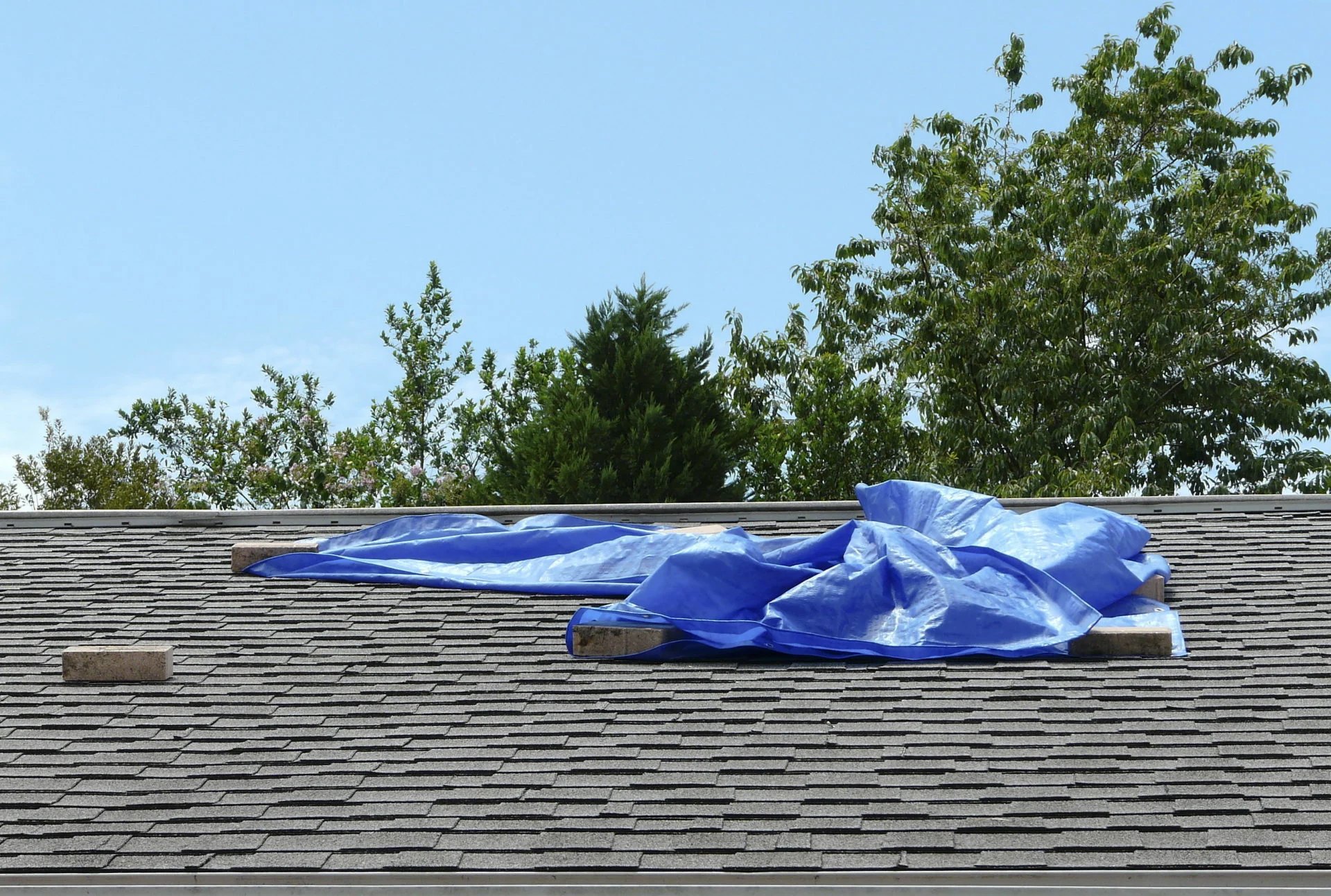
The Fargo-Moorhead metro area's hospitality sector sees significant demand spikes around NDSU Bison football games, graduation weekends, and agricultural conferences, and the properties serving these events are often operating near 100 percent occupancy on days when roofing emergencies—a storm-damaged parapet, a drain blocked by ice and causing ponding—could not come at a worse time. We maintain on-call emergency capacity for Fargo hotel clients through the shoulder seasons and the winter months, and our response protocols for occupied properties prioritize temporary waterproofing installation that prevents interior damage above all other objectives, with permanent repair scheduled in the next available weather window.
Extended-stay hotels in Fargo serve the construction and oilfield rotation workers who move between the city and western North Dakota's Bakken region, as well as long-term medical residents and university personnel. These guests stay for periods of weeks to months and develop a familiarity with the property's physical condition that transient guests do not acquire. A recurring ceiling stain in a room that has been occupied by the same guest for six weeks is a serious guest satisfaction issue that reflects directly in the brand's quality survey scores. Roofing systems on Fargo extended-stay properties that are maintained proactively—no ponded water, no failed sealants at HVAC curbs, no ice-damaged membrane areas that reappear each spring—consistently earn better quality scores than properties that address these issues reactively.
Hail storms in the Eastern North Dakota summer produce insurance claims that have reshaped the commercial roofing landscape in Fargo. Properties with documented pre-storm roof condition records—specifically, photographic records of the membrane surface and seams taken before the storm season—are in a substantially better position when submitting hail damage claims than properties without such documentation. Adjusters evaluating roof hail damage need to distinguish between storm-caused damage and pre-existing membrane deterioration, and owners without pre-storm records often see claims reduced or disputed on grounds that damage predated the storm. We include pre-season photographic documentation in our Fargo service agreement program as standard practice.
Drain performance on Fargo hotel roofs is complicated by the freeze-thaw cycle that can turn a functioning drain into an ice plug within hours when temperatures drop below freezing in October or November. Ice-plugged drains create ponding loads that can approach the structural capacity limit on older buildings, and when the ice melts, the resulting water can find infiltration paths that would not be vulnerable during summer conditions. We install freeze-protected drain inserts on Fargo hotel projects and include drain freeze monitoring in our winter service protocols for clients with electrically heated drain assemblies, verifying that heating elements are functional before the first sub-freezing event of the season.
Long-term ownership in Fargo's hotel market includes a significant proportion of independent and regional operators who make capital decisions without the institutional support systems available to REIT-owned portfolio hotels. We serve these owners as a long-term resource, not just a project vendor—providing honest condition assessments, capital planning documentation formatted for SBA loan applications and community bank loan packages, and maintenance records that support the property's value during refinancing or partnership discussions. A Fargo hotel owner who has a 10-year roof capital plan and documented maintenance records is a better borrower and a better asset seller than one who cannot answer basic questions about the condition of what is typically the building's second-most valuable major system.
- How do you prevent vapor drive condensation in Fargo hotel roofs?
- We position a vapor retarder immediately above the structural deck in heating-dominated climates like Fargo, keeping the condensation plane outside the insulation layer where it can be drained rather than absorbed. All penetration air seals are installed before the vapor retarder is placed, because air leakage bypasses the vapor retarder and is the primary condensation driver in cold-climate buildings.
- What membrane type is appropriate for Fargo's extreme temperature range?
- EPDM in 60-mil fully adhered configuration is our primary recommendation for Fargo hotels due to its flexibility at temperatures as low as negative 40 degrees Fahrenheit and its proven 25-plus-year performance history in Northern Plains climates. The fully adhered application is critical in high-wind North Dakota exposures; mechanically fastened systems with inadequate attachment density are the most common source of wind-related membrane failures in the region.
- When should a Fargo hotel owner initiate mechanical snow removal from the roof?
- We provide our Fargo hotel clients with a snow load monitoring guide that identifies trigger thresholds based on their specific roof structural rating. As a general guideline, we recommend initiating removal when accumulated snow depth and density calculations approach 80 percent of the design load rating, which is typically around 25 to 30 pounds per square foot of accumulated wet snow. Ice accumulation at drains should be checked after any day with temperatures above and below 32 degrees Fahrenheit.
- How does hail documentation support insurance claims for Fargo hotel roofs?
- Pre-storm documentation—photographs of the membrane surface, seams, and parapet cap taken within the 12 months before a storm—establishes a baseline that makes storm damage identification unambiguous. We provide this documentation as part of our annual inspection reports and maintain it in our client archive where it can be retrieved immediately when a claim adjuster requests it.
- Can roofing work happen in Fargo during winter months if a PIP requires it?
- Limited winter roofing work is possible using cold-weather materials and enclosed work areas, but we strongly prefer scheduling PIP roofing work in the May-to-September window when membrane adhesive cure times are reliable and substrate conditions are consistent. When winter work is truly unavoidable, we use low-temperature adhesives, provide heated enclosures over the work area, and conduct adhesion testing after installation to verify bond quality before proceeding with subsequent layers.
Questions Building Owners Ask
What usually changes the price for acrylic and silicone roof coatings?
For acrylic and silicone roof coatings, access, wet insulation, deck repair, edge metal, drains, temporary protection, after-hours work, and occupied-building staging change the number faster than the roof label. We verify those acrylic and silicone roof coatings conditions around Casselton before treating a square-foot price as reliable.
Can acrylic and silicone roof coatings be handled while the building is occupied?
Often, but the acrylic and silicone roof coatings sequence has to be planned. We review entrances, loading docks, patient or tenant areas, roof access, odor sensitivity, and weather windows near Veterans Boulevard Corridor before recommending daytime, phased, or after-hours work.
How do we know if acrylic and silicone roof coatings should be repair, coating, recover, or replacement?
We look at acrylic and silicone roof coatings through wet insulation, deck condition, attachment, slope, seam condition, drain performance, and edge-metal risk. If the roof around June normal precipitation of 4.29 inches is dry and stable for acrylic and silicone roof coatings, preservation options stay on the table. If moisture or deck damage is spreading through acrylic and silicone roof coatings, replacement planning becomes more defensible.
What documentation do we get after a acrylic and silicone roof coatings inspection?
Typical acrylic and silicone roof coatings documentation includes roof-area notes, photo locations, leak or damage observations, priority levels, repair limits, access constraints, and budget categories. On storm work tied to acrylic and silicone roof coatings, we provide contractor-side roof evidence without promising insurance outcomes.
How quickly can you look at acrylic and silicone roof coatings after a leak or storm?
Timing for acrylic and silicone roof coatings depends on weather, crew load, access, and whether interior water is active. We triage emergency conditions first, especially when water is entering occupied space near healthcare campus roofs, and then separate temporary dry-in from permanent scope.