
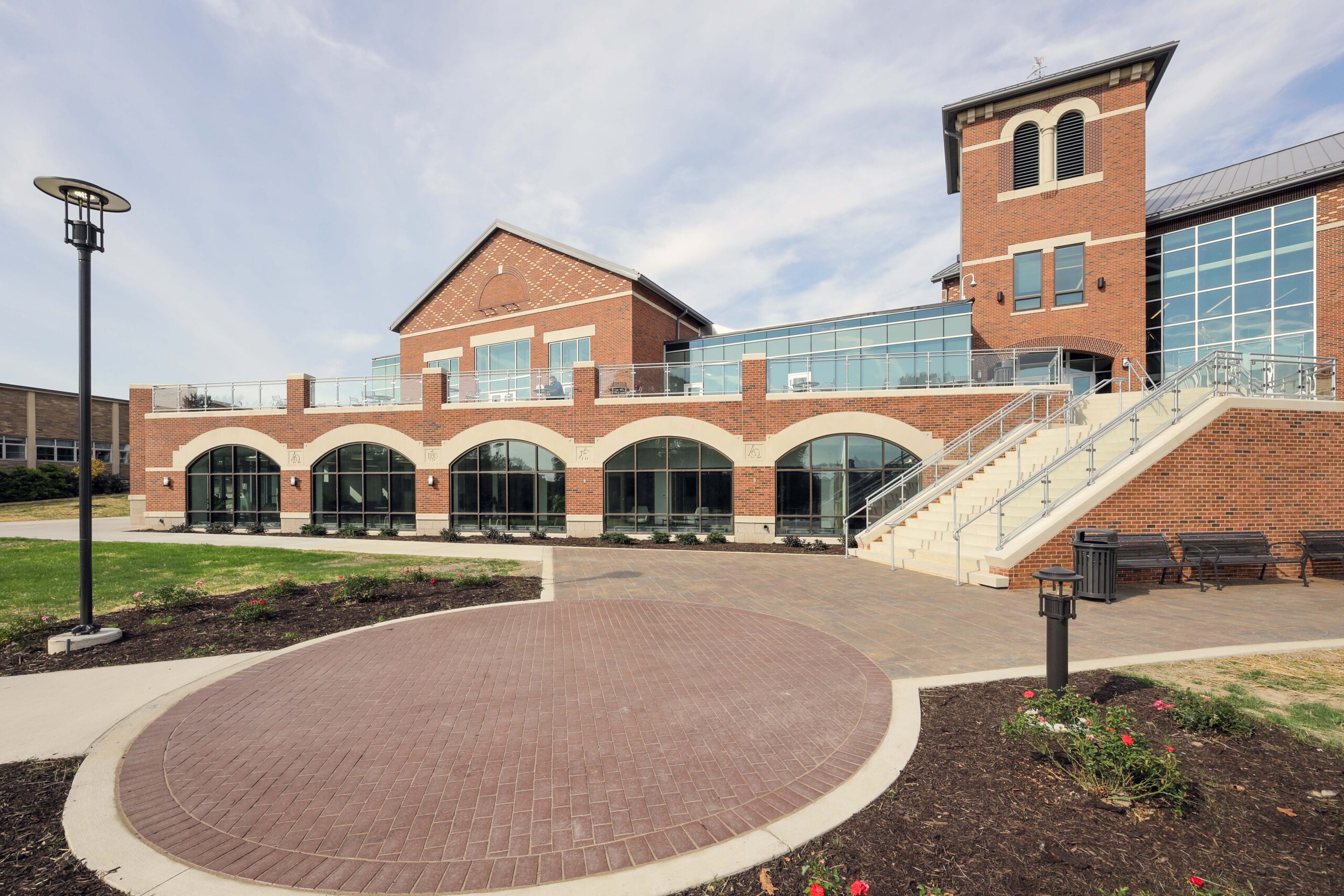
Fargo sits at the convergence of two institutions with sprawling, heavily loaded academic rooftops: North Dakota State University and Minnesota State University Moorhead, located just across the Red River. Managing institutional roofing in this corridor means confronting some of the most punishing winter conditions in the continental United States, where roof systems must bear snow loads measured in psf values that would concern engineers in most other climates. Our crews are trained specifically for the structural and material demands of extreme-cold roofing in the Red River Valley.
NDSU's campus encompasses research buildings, dormitory towers, the Fargodome proximity structures, veterinary science facilities, and a growing collection of modern academic halls—each with a different roofing generation and a different set of failure points. The older steam-heated campus buildings accumulate ice dams at parapet walls where interior heat conducts through poorly insulated roof edges and refreezes at the cold perimeter. Addressing this requires both improved insulation continuity at the roof edge and sometimes reconfiguring internal drains to shift water away from vulnerable parapet zones.
NDSU's engineering and agriculture research buildings carry exhaust penetrations, rooftop condensing units, and mechanical screening walls that create complex flashing geometries. When snow loads accumulate against mechanical screen walls, the lateral forces and meltwater channels concentrate around curb flashings in ways that a standard commercial roofer may not anticipate. Our institutional crews address these conditions by specifying higher curb heights, heavy-gauge counter flashing, and heat-trace systems at internal drains in buildings where freeze blockage has caused recurring overflow problems.
Minnesota State University Moorhead, though located in Minnesota, draws its primary contractor base from Fargo. MSUM's campus includes residential halls, fine arts buildings with irregular roofline configurations, and a physical education complex with large flat expanses. The facilities team there operates under Minnesota state facilities procurement rules, and capital roofing projects require state plan review approval and coordination with the Minnesota Department of Administration. We assist out-of-state clients like MSUM's Fargo-area contractor network in navigating cross-border compliance requirements for projects initiated on the North Dakota side of the metro.
Extreme winter scheduling defines every reroofing decision in Fargo. The window for safe adhesive application—when temperatures stay above 40°F for the full cure window—closes as early as mid-October and may not reopen until late April. This concentrates virtually all major tear-off and installation work into a five-month window, which means contractor capacity fills rapidly in summer. Universities that defer project initiation until September often find themselves competing for crews with every other commercial client in the region. We recommend beginning procurement and mobilization planning no later than February for projects targeting summer installation.
NDSU's deferred maintenance backlog is a well-documented institutional challenge. Many of the campus's mid-century buildings carry roofs that have been patched multiple times rather than replaced, and the cumulative damage visible during infrared scanning reveals moisture saturation in the insulation layer that reduces thermal performance and adds dead load to the structure. Our assessment reports quantify the weight of wet insulation versus dry replacement materials, which helps facilities engineers confirm structural capacity before scheduling a full replacement without requiring expensive structural re-analysis.
The Red River Valley's blizzard risk introduces a scheduling contingency that most university facilities departments outside the northern plains do not encounter. A late-spring blizzard in May—not uncommon in Fargo—can halt a reroofing project midway through tear-off, leaving a building temporarily vulnerable with exposed decking. Our project plans include contingency tarping protocols, material staging inside covered areas whenever possible, and phased tear-off sequencing that limits daily exposed area to what the crew can complete and seal by end of shift regardless of weather change.
Energy code compliance is a growing factor in NDSU capital projects, as the state has adopted updated energy conservation codes that require minimum R-values for roof assemblies on state-funded construction. Reroofing projects that trigger full energy code compliance—typically when the project cost exceeds the threshold for substantial improvement—require documentation of insulation performance and sometimes phased insulation additions to reach code minimum. We prepare energy compliance documentation as part of our project package for state university clients.
Community colleges in the Fargo region, including Bismarck State College extensions and North Dakota University System satellite campuses, present smaller portfolio opportunities but similar scheduling constraints. These facilities often go longer between formal roofing assessments than four-year universities, and first-time infrared surveys frequently reveal substantial moisture infiltration that has never been documented. Establishing a baseline condition assessment for these buildings is the first service we recommend before discussing replacement scope or budget.
- What is the practical window for reroofing academic buildings in Fargo given the climate?
- The reliable installation window for fully adhered membrane systems in Fargo runs from approximately May through September, with October being marginal depending on year. Adhesive-based systems require consistent temperatures above 40°F during application and cure, which limits late-season work to mechanically attached systems or cold-weather formulations with tighter application protocols. Most major university reroofing projects in the Fargo area target June through August for primary installation.
- How do you protect a building mid-project if a spring blizzard hits during tear-off at NDSU?
- Our project plans include pre-positioned tarping materials sized to the daily exposed area, with anchor weights and perimeter securement details designed for high-wind conditions specific to the Red River Valley. We phase tear-off in sections no larger than what the crew can cover and seal in under two hours if weather changes suddenly, and we monitor National Weather Service forecasts daily to suspend tear-off operations before storm windows close.
- Can you manage roofing contracts for both NDSU and MSUM Moorhead buildings under a regional agreement?
- Yes, we work with multi-campus agreements that span the North Dakota-Minnesota border and coordinate procurement to meet each institution's state-specific purchasing requirements. Cross-border projects require separate compliance documentation for each state, but material specifications, crew assignments, and project management can be unified under a single regional contract structure for efficiency.
- What roofing systems perform best under Fargo's snow load and freeze-thaw conditions?
- Mechanically attached TPO and fully adhered EPDM are the most common high-performing choices for Fargo academic buildings, with rigid polyisocyanurate insulation specified for its cold-weather R-value stability. For buildings with chronic ice dam issues at parapets, we add continuous rigid insulation at the roof edge and sometimes specify tapered insulation systems that improve drainage before freeze-up in fall.
- How far in advance should NDSU facilities begin planning a major reroofing project?
- We recommend beginning condition assessments and procurement planning at least 12 months before the target installation summer, and 18 months is better for large multi-building projects. Contractor capacity in the Fargo market fills quickly once the weather window opens, and state procurement approval timelines for NDSU typically add 60 to 90 days to a standard commercial project timeline.
Questions Building Owners Ask
What usually changes the price for acrylic and silicone roof coatings?
For acrylic and silicone roof coatings, access, wet insulation, deck repair, edge metal, drains, temporary protection, after-hours work, and occupied-building staging change the number faster than the roof label. We verify those acrylic and silicone roof coatings conditions around Casselton before treating a square-foot price as reliable.
Can acrylic and silicone roof coatings be handled while the building is occupied?
Often, but the acrylic and silicone roof coatings sequence has to be planned. We review entrances, loading docks, patient or tenant areas, roof access, odor sensitivity, and weather windows near Veterans Boulevard Corridor before recommending daytime, phased, or after-hours work.
How do we know if acrylic and silicone roof coatings should be repair, coating, recover, or replacement?
We look at acrylic and silicone roof coatings through wet insulation, deck condition, attachment, slope, seam condition, drain performance, and edge-metal risk. If the roof around June normal precipitation of 4.29 inches is dry and stable for acrylic and silicone roof coatings, preservation options stay on the table. If moisture or deck damage is spreading through acrylic and silicone roof coatings, replacement planning becomes more defensible.
What documentation do we get after a acrylic and silicone roof coatings inspection?
Typical acrylic and silicone roof coatings documentation includes roof-area notes, photo locations, leak or damage observations, priority levels, repair limits, access constraints, and budget categories. On storm work tied to acrylic and silicone roof coatings, we provide contractor-side roof evidence without promising insurance outcomes.
How quickly can you look at acrylic and silicone roof coatings after a leak or storm?
Timing for acrylic and silicone roof coatings depends on weather, crew load, access, and whether interior water is active. We triage emergency conditions first, especially when water is entering occupied space near healthcare campus roofs, and then separate temporary dry-in from permanent scope.