
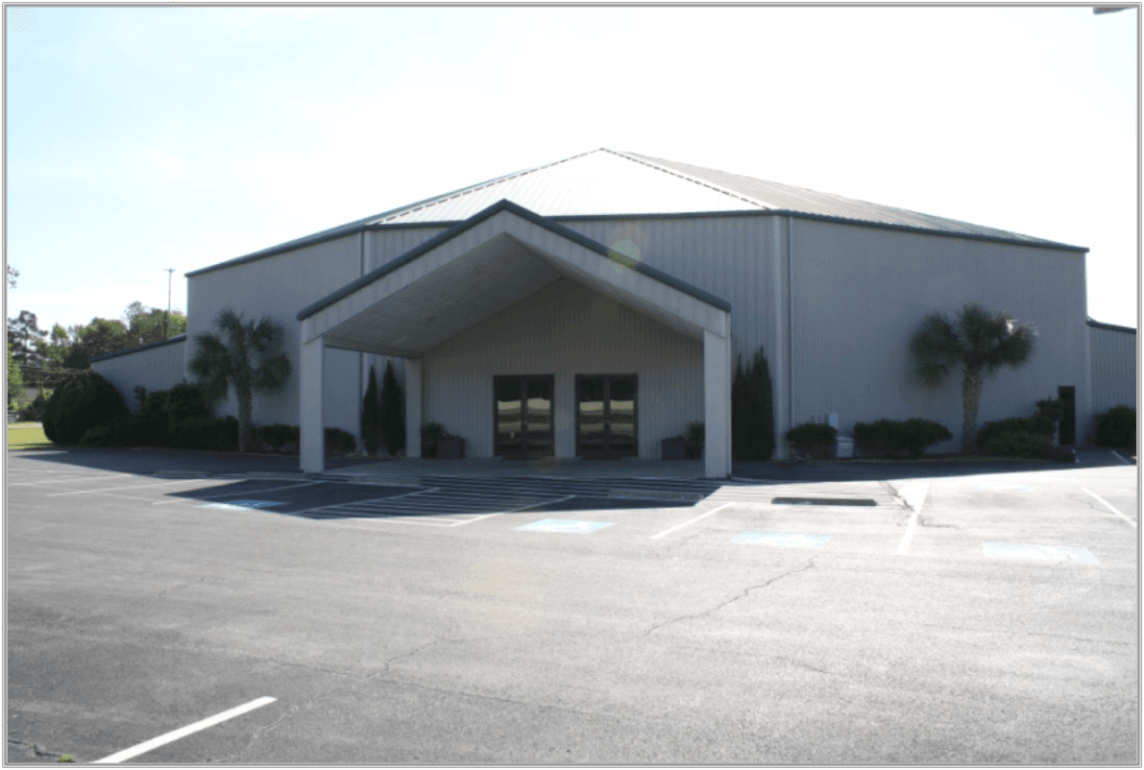
First Lutheran Church in Fargo has served the Red River Valley since the nineteenth century, and its prominent spire along Broadway represents a congregation that has endured some of the most punishing winter weather that any church building in the United States is regularly exposed to. Churches throughout Fargo-Moorhead and the broader North Dakota plains face roofing challenges defined by extreme snow loads, arctic cold snaps, spring flooding risk, and the dramatic thermal cycling between January's forty-below wind chills and July's ninety-degree humidity. Our commercial roofing team specializes in ecclesiastical properties across North Dakota and we build every system to survive the full range of this demanding climate.
Extreme snow load engineering is not optional in Fargo — it is the foundation of every competent church roofing project in this region. North Dakota ground snow loads exceed 40 pounds per square foot in the Fargo area, and drifting patterns around steeples, mechanical penthouses, and parapet walls can stack loads two to three times that figure in localized areas. Clear-span sanctuary roofs carry those loads without the benefit of interior columns, placing enormous demands on the perimeter wall connections and the truss or rafter members themselves. Before any new roofing system is installed, we evaluate the structural capacity of the existing roof assembly and coordinate with a licensed structural engineer when load concerns are present.
Metal roofing is the dominant choice for North Dakota churches because no other roofing category handles snow shedding, freeze-thaw cycling, and extreme cold temperature performance as reliably as standing seam steel. A properly installed standing seam system sheds snow cleanly from steep-pitch sanctuary roofs, reducing sustained load duration and the ice dam risk that follows when snow lingers at eaves. We install snow retention systems at strategic locations — over entrances, lower roof sections, and adjacent to mechanical equipment — to prevent uncontrolled snow slides that can injure congregation members or damage property.
Ice dams are a serious and recurring concern for Fargo churches, particularly those with attic spaces that are heated or inadequately insulated. When interior heat drives snow melting at the ridge and that meltwater reaches the cold eave overhang, the resulting ice dam can back water up under the roofing material and into the wall or ceiling assembly in quantities that cause serious structural damage. We address ice dams through the full system — self-adhering ice and water barrier at all eaves and valleys, attic insulation upgrades, ventilation improvements, and heat cable installation at persistent problem locations.
Capital campaigns in North Dakota's religious community often reflect the agricultural and energy economy cycles that drive the regional economy. Our estimating team provides proposals that can be incorporated into multi-year capital plans, and we are honest with building committees about what deferred maintenance actually costs in this climate. A failed caulk joint in October becomes an ice infiltration problem in November, and that ice infiltration can cause interior damage that costs far more to repair than the original roof maintenance would have. We help committees understand the true cost of delay in quantitative terms.
Scheduling roofing work in Fargo requires strict adherence to the reliable warm season. We do not install membrane systems below 40 degrees Fahrenheit, and we do not install metal panels in high wind conditions that are common across the open Red River Valley plains. The reliable installation window runs from late May through early October, and we plan all major replacement projects to fall within that window. Our scheduling discipline is not optional — it is a quality assurance measure that protects the long-term performance of the finished system.
Church committee decision-making in Fargo typically involves the property or building committee, the congregation's council or board of directors, and often a full congregational vote for major capital expenditures. We have navigated every variation of this governance structure and we understand how to provide the right information at the right time without applying inappropriate pressure. Our goal is to be a trusted resource to the committee throughout the decision process, not a salesperson pushing for a quick close.
Preventive maintenance is uniquely valuable in North Dakota's climate because winter damage happens fast once a defect develops. A missing caulk bead, a lifted seam, or a blocked drain that would be a minor nuisance in a milder climate can become a catastrophic failure in a single Fargo winter. Our fall inspection and maintenance program catches those vulnerabilities in September and October, before the first serious snowfall, so that the building is fully buttoned up when the season's first blizzard arrives.
From the historic downtown churches along Broadway and Roberts Street to the newer suburban campuses in west Fargo and the communities of Moorhead and West Fargo, our team serves every corner of the greater Fargo-Moorhead church market. We are licensed in North Dakota, fully insured, and have the equipment and cold-weather expertise that this demanding climate requires. Call us today to schedule a complimentary roof assessment.
- What snow load standard do you use for Fargo church roofing projects?
- We reference the North Dakota State Building Code ground snow load requirements, current IBC snow load maps, and local jurisdiction amendments, and we coordinate with a licensed structural engineer on any project where existing load capacity is in question. We never assume the existing structure can handle a heavier roofing system without verifying the calculation.
- What is the best roofing system for a Fargo church?
- Standing seam steel is our top recommendation for steep-slope sanctuaries because of its snow-shedding performance, freeze-thaw resistance, and longevity in extreme cold. For low-slope sections, fully adhered TPO or modified bitumen with a robust insulation package handles North Dakota's temperature swings reliably. We match the system to each building's specific geometry and structural conditions.
- How do you prevent ice dams on a Fargo church roof?
- Ice dam prevention requires a combination of roofing layer improvements and building envelope work. We install self-adhering ice and water barrier at all eaves and transitions, evaluate and improve attic insulation and ventilation, and add self-regulating heat cables at persistent problem locations where geometry makes drainage difficult even with a well-insulated roof.
- Can you phase a roofing project across two North Dakota construction seasons?
- Yes. For larger churches funding the project through a capital campaign, phasing across two construction seasons is a common and practical approach. We identify the most vulnerable sections for first-phase completion and design the phasing so the building is fully weathertight at the end of each season.
- What should a Fargo church look for when evaluating roofing contractors?
- Look for North Dakota licensing, adequate insurance coverage, experience specifically with ecclesiastical roofing in cold climates, and references from other Fargo-area churches. Ask specifically about their snow load engineering approach and whether they coordinate with structural engineers on clear-span sanctuary projects. Be skeptical of proposals that do not address structural load verification.
Questions Building Owners Ask
What usually changes the price for acrylic and silicone roof coatings?
For acrylic and silicone roof coatings, access, wet insulation, deck repair, edge metal, drains, temporary protection, after-hours work, and occupied-building staging change the number faster than the roof label. We verify those acrylic and silicone roof coatings conditions around Casselton before treating a square-foot price as reliable.
Can acrylic and silicone roof coatings be handled while the building is occupied?
Often, but the acrylic and silicone roof coatings sequence has to be planned. We review entrances, loading docks, patient or tenant areas, roof access, odor sensitivity, and weather windows near Veterans Boulevard Corridor before recommending daytime, phased, or after-hours work.
How do we know if acrylic and silicone roof coatings should be repair, coating, recover, or replacement?
We look at acrylic and silicone roof coatings through wet insulation, deck condition, attachment, slope, seam condition, drain performance, and edge-metal risk. If the roof around June normal precipitation of 4.29 inches is dry and stable for acrylic and silicone roof coatings, preservation options stay on the table. If moisture or deck damage is spreading through acrylic and silicone roof coatings, replacement planning becomes more defensible.
What documentation do we get after a acrylic and silicone roof coatings inspection?
Typical acrylic and silicone roof coatings documentation includes roof-area notes, photo locations, leak or damage observations, priority levels, repair limits, access constraints, and budget categories. On storm work tied to acrylic and silicone roof coatings, we provide contractor-side roof evidence without promising insurance outcomes.
How quickly can you look at acrylic and silicone roof coatings after a leak or storm?
Timing for acrylic and silicone roof coatings depends on weather, crew load, access, and whether interior water is active. We triage emergency conditions first, especially when water is entering occupied space near healthcare campus roofs, and then separate temporary dry-in from permanent scope.