
The roof over an auditorium is mostly air and steel
Walk a multiplex roof and the first thing that stands out is how little is holding it up. A single auditorium can run a hundred feet or more without an interior column, because you cannot park a steel post in the middle of an audience. That clear span is the defining feature of cinema roofing, and it changes everything about how the deck behaves. Fargo's entertainment draw pulls from the whole metro and well beyond — families and students coming in off I-29 and I-94, the crowd that fills the 13th Avenue South retail district on a weekend night, moviegoers from across Cass County and Moorhead. The buildings serving them are big, long-span, and mechanically dense, and the roof has to carry all of that on framing that flexes under load.
Long spans don't behave like a retail box
A flat roof over a wide auditorium deflects. Under a heavy North Dakota snow load, the center of that span moves more than the edges, and the membrane and insulation have to tolerate that movement without splitting seams or shearing fasteners. We don't fasten a theater roof off the same pattern we'd use on a strip-mall box. We confirm the deck type and gauge, check the rib depth on steel deck because older short-rib deck holds fasteners far less securely than modern three-inch deck, and on the longest spans we'll move toward an adhered or hybrid assembly to avoid concentrating point loads at the seams where deflection is greatest. The span dictates the system, not a scope.
One roof, a dozen mechanical clusters
A modern multiplex carries a roof full of equipment. Most auditoriums get their own dedicated rooftop unit so each screen can be conditioned independently, and on top of that you have concession kitchen exhaust, lobby heating vents, and refrigeration condensers for the food-service coolers. The result is a penetration density that rivals a hospital. Every curb, every duct, every conduit run is its own flashing detail, and on a reroof we inventory and document each one before a square foot of new membrane goes down over it. Skip that and you have simply buried the next round of leaks under a fresh roof.
Acoustics are part of the assembly
Cinema is the rare commercial building where the roof has an acoustic job. Patrons inside a dark auditorium notice rain drumming on a thin deck, hail, and the rumble of nearby rooftop equipment in a way they never would in a noisy retail store. The roof assembly — deck, insulation, and membrane together — contributes to keeping outside noise outside and one auditorium's soundtrack from bleeding into the next. When we recover or replace a theater roof, we pay attention to maintaining that mass and to isolating mechanical units so vibration doesn't telegraph down through the structure into the room below. A quiet roof is part of the product the theater is selling.
Decks, tear-offs, and the case for tapered insulation
Cinemas in this market are typically built on steel deck over structural steel, sometimes concrete deck on the larger or older houses. Steel takes mechanical attachment well; concrete usually points us toward adhered systems. Either way we start a reroof with a core sample to see what is stacked up there — how many layers, how wet the insulation is, and what the assembly weighs in place — before we recommend a recover versus a full tear-off. On most theater roofs we push hard for tapered polyiso, because decades of flat, dead-level deck over those long spans means ponding water, and ponding is what shortens a membrane's life faster than almost anything. A white TPO surface over tapered iso fixes the drainage and meets the cool-roof requirements most reroof permits now carry.
Edges, parapets, and the Fargo winter
The tall parapets and high fascia that give a cinema its presence from the parking lot are also where wind and snow do their damage. On a building this size, open and exposed along the commercial corridors off the interstates, the perimeter takes the highest uplift pressure on the entire roof, and the edge metal and coping are the first things to lift if they were under-fastened. We detail the perimeter to the wind zone the building actually sits in, not a generic number. Snow is the other half of it. A long flat roof drifts unevenly behind those parapets, piling deep loads against the high walls and burying the drains, so we plan drainage and overflow capacity around the way snow actually moves and melts across a span this wide rather than assuming it sheds evenly.
You're open every night, so we work around the show
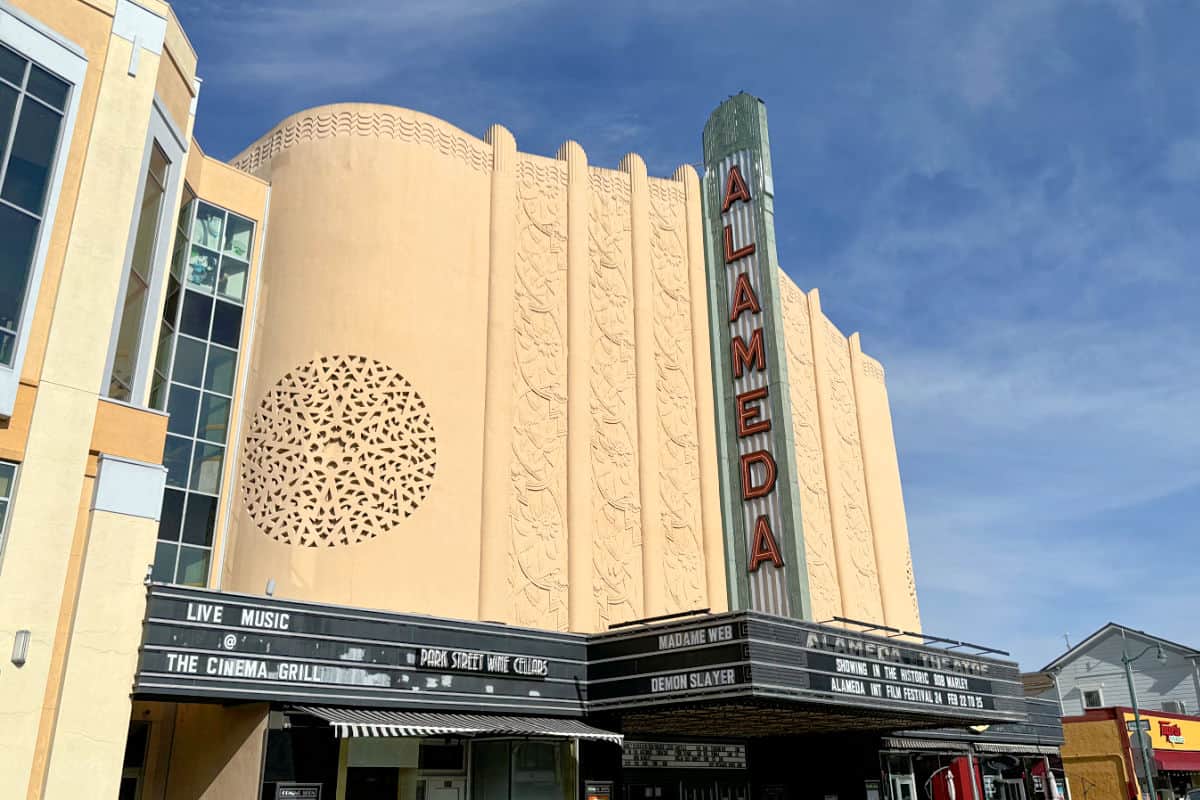
Theaters run afternoons through late evening, seven days a week, with the heaviest traffic at exactly the hours most contractors want to be packing up. We plan around the showtime schedule, not against it. Each roof section is dried in and watertight before the evening crowd arrives, HVAC shutdowns for curb work are coordinated with the facility team so no auditorium loses conditioning during a show, and crews stay clear of the entries and canopies during opening hours. The marquee and entry-canopy connections deserve a specific mention — those canopy-to-wall transitions are the most common chronic leak on an older theater, and we re-flash them as their own line item rather than assuming new field membrane will solve a detail problem.
Independent house or national chain
We work with the corporate facilities and approved-vendor processes the national exhibitors run, and directly with independent operators and the investors who own these buildings around Fargo. The closeout is the same either way: permit and final inspection, manufacturer warranty registration, a roof diagram with the full penetration and curb inventory, and drainage documentation for the building's file.
Get your cinema roof reviewed before the next season
If you operate or own a theater in the Fargo area and the roof is ponding, leaking at the canopy, or simply aging out, start with a roof walk and a core sample. Request a roof review or call 701-987-7206.